
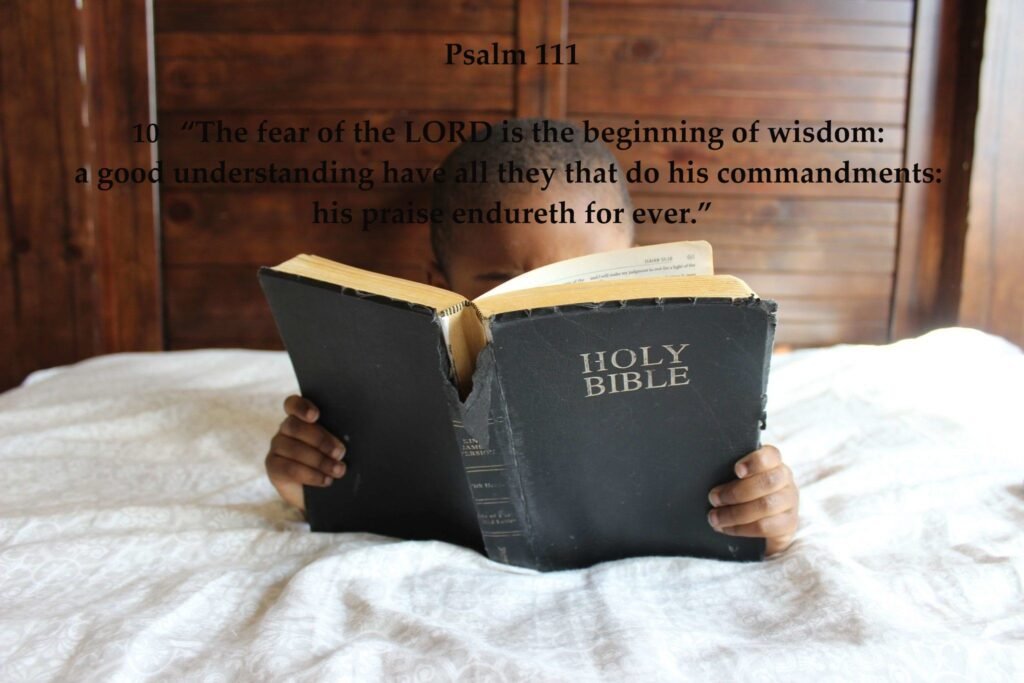
It is a fortunate country that allows its citizens a selection of educational opportunities such as the United States of America. It is not for everyone but Homeschool may be worth your interest and time to explore it as a learning alternative. I hope that sharing my experience may offer you encouragement.
My mother was in her fifties and had raised nearly all of her twelve children when she returned to college. One evening after classes she voiced to me, “They used to give us an education.” She could see the values and systems of America’s classroom was changing during the 1970’s, a time of America’s Social Movement. Over the years, her words remained with me, and I grew to realize the difference between being taught information and receiving an education.
My earliest school days were complex. My fondest memories were of positive progress reports shared with my mother by teachers during evening visits on Parent-Teacher Day; singing favorite American Folksongs such as, “She’ll Be Coming ‘Round the Mountain,” in weekly Music Classes; and winning seven rounds of Musical Chairs during a school annual fest. Safely strolling home at night with neighborhood schoolmates helping to carry the prizes of seven home-made, layered cakes to my mother depict the best of times.
Soon afterward, outside community program workers turned into gangster and began to terrorize our neighborhoods and schools. I saw and heard about traumas that I hoped my children never would. Eventually, the violence became a national crisis.
Fast forward to motherhood, it did not take long for me to recognize maladjustment in my first child during primary school, although the place was considered to be one of the best facilities at the time. She had never seemed to have a problem with other children before. The free-spirited little soul left home every morning but shifted in demeanor by afternoon into a quiet, withdrawn stressful facial contour. It was paining me to watch the death of her beautiful spirit, and I shared what I had observed with my husband. Also, we had a friend couple who was Homeschooling, and we were learning from them.
So, we decided to give Homeschool a try, and I am not sorry. For all of the listed reasons below and more:
- It can afford more time for involvement and participation in a child’s learning
- It can afford a closer observational setting during a child’s developmental stages
- It can be a richer educational experience
- It may be more rewarding in forming a closer teacher-student bond
- It may prove to be a restorative experience and a richer historical experience for the child
- It may be more time-efficient
- It may be more cost- efficient
- It may require a more focused setting by removing classroom distractions
- It can be safer
- It may afford a closer social bond among siblings as fellow- students
- It can prove to be an accelerated learning experience
- It can afford a more creative learning environment
- It can promote open communication
- It can offer an overall rewarding experience
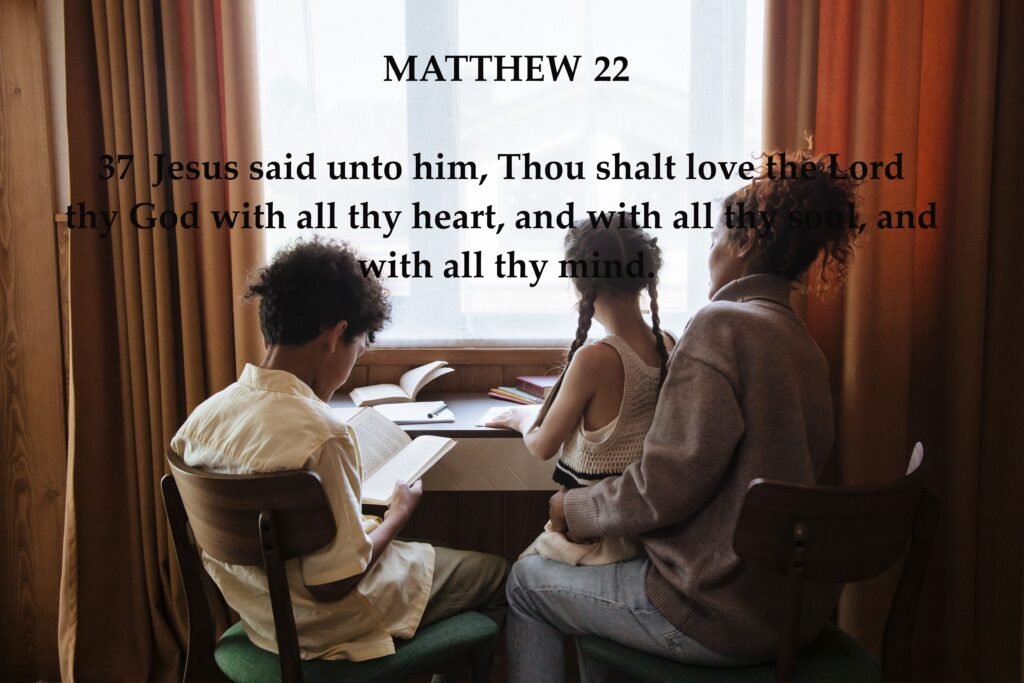
Many are the demands placed on teachers today in the public-school setting. Primary to high school levels with twenty-five- plus students make it difficult to apply the necessary practical standards of observation for development, planning, and preparation. Multi-tasking, multi-subjects, new information weekly, grading, establishing parental relationships, and constantly increasing time- demand tasks placed on faculty is has become a literal health hazard.
Chaos in the classroom is also a major concern for teachers. The time it takes to maintain order each day could be properly utilized for much productivity. Yet the most important issue, from my observation, is the removal of the basic fundamental values of life:
Hope in God.
How can we expect a child or any student to be motivated to learn when we have removed the very hope for his future?
The fear of God.
What is there to make a child respect the value of a life when there is no fear of anyone beyond himself?
America has much more information, yet our students are the most Bible, reading, and math illiterate individuals than they were seventy years ago.
We have more spending power but are the most in debt than our grandparents and great-grandparents. Alot of them owned their own homes, though they may have been smaller, and yet our grandparents were not as informed by colleges and universities.
We show the most social status but are the loneliest souls who commit suicide, and are the angriest, most murdering people who have ever been so much featured on breaking news.
Some people argue that the Holy Bible has been tampered with by Europeans. Maybe things have been lost in translation, but as I recall, there is enough truth and power for the many who believed in it to free slaves, create unity across cultural boundaries, and bless their family lineage with prosperity as we are witnessing today on a massive scale.
I pray we return to the hope of our fathers who knew of a truth that there is something to be desired in the bare basics.
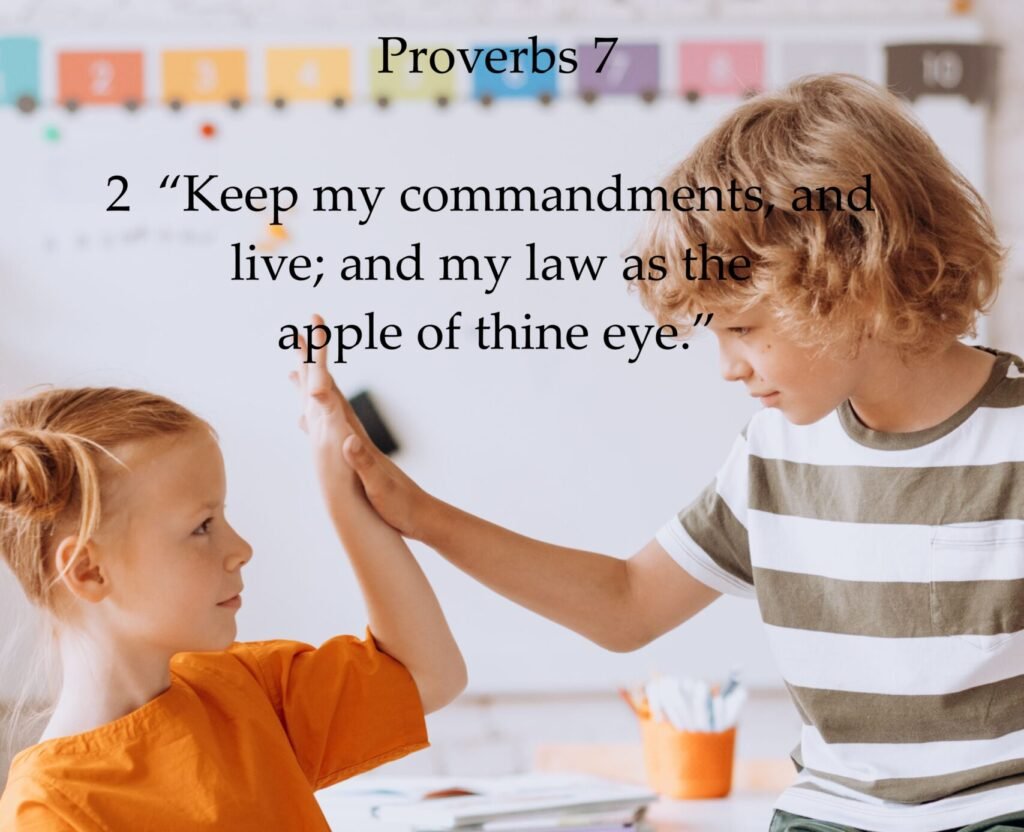
Many families today are considering Homeschool as an educational alternative. In the section below are starter tips offered out of my thirty-three years of teaching experience (twenty-nine years of Homeschooling).
THE GOOD NEWS
You may be the best educator for your child, so you do not have to be the superhero teacher but be the best you can be. The best teacher skills are said to be ones who care, motivate learning and communication, and utilize good judgment in relating each subject matter with his student. A good parent practices these skills on a daily basis. So, you may already possess the most important qualifications. This new information may look overwhelming, but it is just a matter of time and preparation before you will be skillfully managing your own school system.
SPIRIT, SOUL AND BODY
Another important consideration is that a child’s spirit, mind and emotions are three different areas of development. Each area must be monitored closely. While he may mentally advance, his emotions or physical growth may be still catching up. It is good to have tools which offer help in managing your child’s whole growth process (while you are also managing your own:)
TYPES OF HOMESCHOOL
Select services/programs which best suit your Homeschool Curriculum
There are numerous types of homeschool services and programs today but essentially the five that I am familiar with are listed below. While one program may provide a service or two of your preference, another may offer an entire list of desired features. Most likely, you will compile a number of programs and resources together to develop your school’s curriculum.
- HOMESCHOOL: FULL-TIME
You, the homeschool teacher, will take responsibility for the entire school program and record keeping. Give your Homeschool a name, and even a crest, if you want. You will provide an annual schedule for subjects, books and resource materials, a weekly schedule, weekly grades, Winter/Spring report cards, medical records and etc., throughout the entire duration of your teaching term. It is good to have an intentional and well-planned program for your school. For example, FREE ZOO DAY once a month for Science Class as the weather permits.
According to your residential area-there are three sets of school regulations: national, state and city. Your homework as a teacher is to inquire of these. For example, there is a minimum requirement of annual Homeschool hours. Check with your state’s regulations for this as well as its class curriculum (A list of Subjects for grades K-12).
While your state has standard requirements, you may also offer courses that you deem essential to your curriculum, such as Bible Class, African-American History or Introduction to Drawing, based on the interest, gift, or talent of each child. You can choose your own teaching resources from the start. You must maintain all records of classes and grades. My city required submissions of grades and health shots each year to the Board of Education. They maintain and submit these copies to the state. You can call the Board of Education for your city’s Homeschool Regulations.
2. HOMESCHOOL: PART-TIME OR CAMPUS SCHOOL
Some homeschool facilitators (private schools) offer classes of which you may want to enroll your children in as an integral part of your itinerary. Parents can enroll their children into classes and drop them off at school for a shorter period of time, which offers a parent more time to teach other children if he has multiple students.
These schools may be required by state to place your student under a certain school classification, so inquire of their specific program regulations pertaining to Homeschool status. There may be a monthly charge of about $130 for this service.
3. EXTENSION SCHOOL
This program also serves well as part of one’s homeschool curriculum. Lessons, studies and workbooks are performed at home while testing is required at the school site. Be willing to work long hours to get the most out of this program, but it is rewarding when you are working in a fertile learning environment.
An Extension School may provide resources and services such as workbooks, testing, in-house tutoring, and grade keeping.
Upon graduation, they may also send ACT scores to colleges of your choice. They may charge a monthly fee of $75 – $125.00.
Inquire about state classification of their student program too, because they may not want you to call your school a Homeschool when they offer so much of their services. If you would like to offer more classes and events for your child than what the school provides, that is the opportunity afforded you in Homeschool. The investment is at your discretion.
4. TUTORING SESSIONS AND ONLINE CLASSES
These service appear to be more frequent these days in wake of the 2019 Pandemic. Online classes are more useful than ever because they offer families safe, economical and convenient alternatives for learning. Some Private Homeschool programs offer tutoring and charge agreeable prices per Autumn and Spring terms or even monthly. Also, Online classes may charge annual tuition fees.
5. COVER SCHOOLS
Many U.S. states require that homeschools select a Cover School for the student, which represents the homeschool to their state. You may choose to select an acceptable regulated Cover School for a fee of about $80 a month. Additional students are pro-rated.
Registering with a local Cover School for guidance may serve especially well as your children grown in age. A teacher registers each student into the Cover School database and provides required state information, i.e., the projected year’s curriculum, last semester’s grades, and maybe even medical shot records.
Some programs provide additional teacher information for you in their database/your Account Page, such as updated state regulations, tips, and timely reminders. You may also create printable student reports from their database for your own records.

Proper Homeschooling requires a lot of time. You will be the administrator, teacher, meal planner and more. This is in addition to the parental roles of spiritual guide, family nurturer and home manager.
So, one must be intentional about self-care. It is easy to get lost in caring for others and although it can be gratifying, consistent self-sacrificing may lead to self-neglect, and even depression and/or resentment over time. Especially when the world places so much value on one’s net worth, one’s personal sacrifices of his profession or dreams delayed for years given to homeschool may not be appreciated by those who benefit from it as he would expect.
Also, a parent-teacher’s expectation may be unrealistic. Homeschool is not a formula for producing good children but it can be an investment in a child’s education by helping to provide quality information which can offer more sound reasoning for life.
Like an investment, it may take years to see a yield in your children’s appreciation. Do not feel discouraged if they do not thank you for your time. So, we must be patient as parents and continue to water our seeds throughout their lives to receive the hopeful outcome. Meanwhile, plan for present day enjoyment for you, your spouse, and your children as well as your own marital future so that the young adult transitions of graduating or leaving home will be hopeful periods for everyone involved.
GET READY!
- Receive Direction. Pray first and meditate on your decision to gain wisdom and a plan.
- Ask your spouse for Agreement of Your Plan. Give him time to mentally and financially prepare for the adjustment.
- Ask Your Children for Their Agreement. Also give them time to emotionally prepare for the adjustment.
- Do not quit your day job just yet.
- Search online for your state Homeschool regulations, and your local school board Homeschool regulations.
- If you have a local Homeschool Cover Schools in your area, they may also provide additional information of state requirements.
GET SET!
- After you decide to Homeschool, develop a Weekly Class Schedule. Include Holidays on this sheet.
- Four of these sheets can be utilized to create a Monthly Class Schedule. Set 5-minute breaks between classes and 30-minute lunch breaks.
- Review an entire year’s plan.
- Save financially. if you can, plan a Financial Exit from work.
- Gather Learning Materials and Supplies. Collect inexpensive resources to set up your first year.
- Determine and organize your Workspace. You can adjust throughout the year and following years as desired.
GO!
- Learn good information. Have Fun.
- Create colorful schedules. Set it inspirational posters on the on the wall.
- Add educational and Art posters to promote interest, creativity and communication.
- Review the Monthly Calendar with your family at the beginning of each month so your family can know what they have to look forward to.
- Be Courageous. Some family members or friends may not be as supportive as you would expect. Do not exhaust your emotions or energy trying to convince them that it is a good idea. Just let your fruit be your proof.
